
Siding Showdown: Brick vs. Siding, Which Is Right for Your DFW Home?
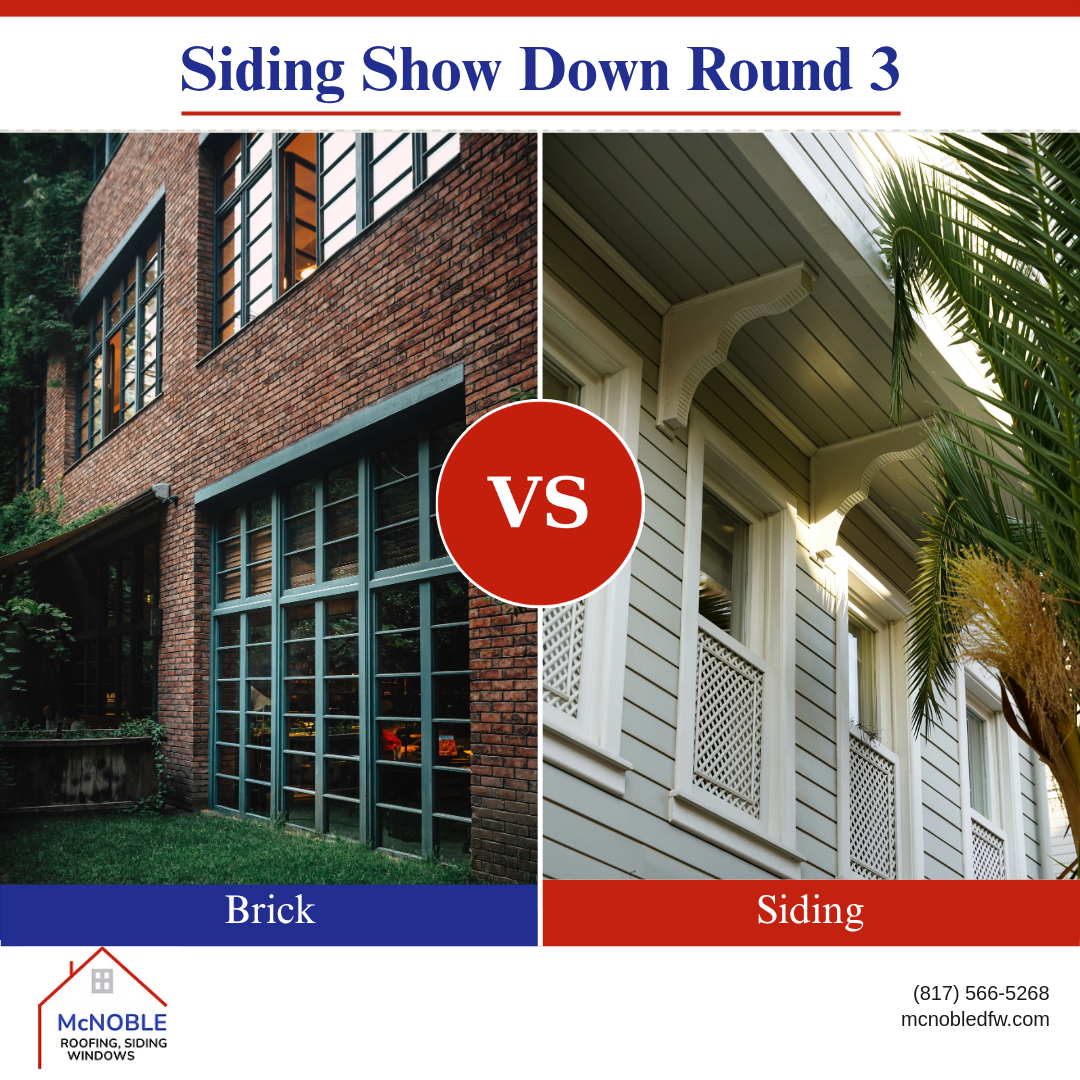
This is the third installment in our Siding Showdown series, and it tackles a question that is a little different from the first two. Instead of comparing two siding materials, this time we are comparing siding against the material that dominates North Texas more than anywhere else in the country: brick.
Texas builds with brick more than almost any other state. Census Bureau survey data reported by the real estate industry found that the West South Central region, which includes Texas, used brick on 67 percent of new single family homes, far above the national rate. If you live in DFW, there is a good chance brick is either on your home already or on most of your neighbors' homes. So the real question for a lot of homeowners is not vinyl versus fiber cement, it is whether to stick with brick at all, or make the switch to siding.
Why Brick Became the Default Here
Part of the answer is simply geography. North Texas sits on clay rich soil, which made brick manufacturing cheap and practical here for more than a century, and plenty of DFW suburbs still have building ordinances requiring a majority brick or masonry exterior on new construction. Brick also has a real reputation for standing up to Texas weather, and that reputation is not undeserved.
Where Brick Genuinely Excels
Brick is a long term material. It commonly lasts 50 to 100 years with reasonable care, which is longer than most siding materials, and it does not need repainting the way wood trim does. It also handles fire exposure and high wind well.
Where brick asks more of a homeowner is mortar. The brick units themselves are tough, but the mortar joints between them are more porous and more vulnerable. According to the Brick Industry Association, moisture that gets into cracked or deteriorated mortar joints can lead to a cycle of freeze-thaw damage, where water seeps in, freezes, expands, and gradually widens cracks over repeated cycles. DFW does not see extreme winters, but we do get enough freeze-thaw swings most years that older or poorly maintained mortar joints can start showing hairline cracks, especially on homes that are 20 years or older. Repointing, removing old mortar and replacing it with fresh mortar, is the standard fix, and it is a normal part of long term brick ownership, not a sign that something went wrong.
Where Siding Genuinely Excels
Modern siding materials, vinyl, fiber cement, and engineered wood among them, offer something brick cannot: real flexibility. Repairs are faster and less disruptive, since damaged sections can often be replaced individually rather than requiring masonry work. Color and style options are far broader than what brick offers, and materials like James Hardie fiber cement and LP SmartSide, which we covered in earlier posts in this series, are specifically engineered to resist the heat, humidity, and storm exposure that define a North Texas summer, all without the mortar maintenance that comes with brick.
Siding is also the more budget accessible option upfront. Typical installed costs run roughly 3 to 12 dollars per square foot depending on material, compared to roughly 8 to 18 dollars per square foot for brick veneer, according to industry cost data compiled by HomeGuide. That is a meaningful difference on a full exterior project.
So Which One Should You Choose?
If you already have brick and it is in reasonably good condition, regular mortar maintenance is usually the right call rather than a full switch to siding, brick's long lifespan is one of its biggest advantages, and that advantage only pays off if you keep it. If your brick is showing significant mortar deterioration, or if you are planning an addition, a renovation, or simply want more flexibility in style and color, siding is a legitimate, modern alternative that performs well in our climate without the long term mortar upkeep.
There is no universally correct answer here, it depends on your home's current condition, your budget, and what you want your home to look like for the next couple of decades. If you are weighing the two options for your own home, our post comparing vinyl and James Hardie siding in North Texas heat is a good next read if siding turns out to be the direction you are leaning.
McNoble can walk you through what makes sense for your specific home, whether that is brick maintenance guidance, a siding consultation, or simply an honest opinion on which option fits your goals. Visit our siding services page or contact us to schedule a free inspection.
Sources referenced in this post:
Internal Links Used in This Post:
Siding Showdown: Vinyl vs. James Hardie Fiber Cement in North Texas Heat (existing blog post)
Siding Services (service page)
Contact (contact page)