
Fire-Resistant Siding: What DFW Homeowners Should Know This Fire Prevention Month
Every October, the National Fire Protection Association leads Fire Prevention Week, observed this year October 4 through 10, as part of the broader National Fire Prevention Month. Most fire safety messaging understandably focuses on smoke detectors, escape plans, and electrical safety inside the home. Something that gets less attention, but is still worth knowing, is how your home's exterior siding material actually behaves if it is exposed to fire, whether from a nearby structure, a grill or fire pit accident, or a wildfire ember in dry conditions.
How Different Siding Materials Actually Perform
Fiber cement siding, including James Hardie products, is made primarily from cement, sand, and cellulose fiber, which means it is non-combustible by nature, it does not burn the way organic or petroleum based materials can. This is one of the more underappreciated advantages of fiber cement, since it is usually chosen for durability and weather resistance rather than fire performance specifically, but the fire resistance is a genuine added benefit.
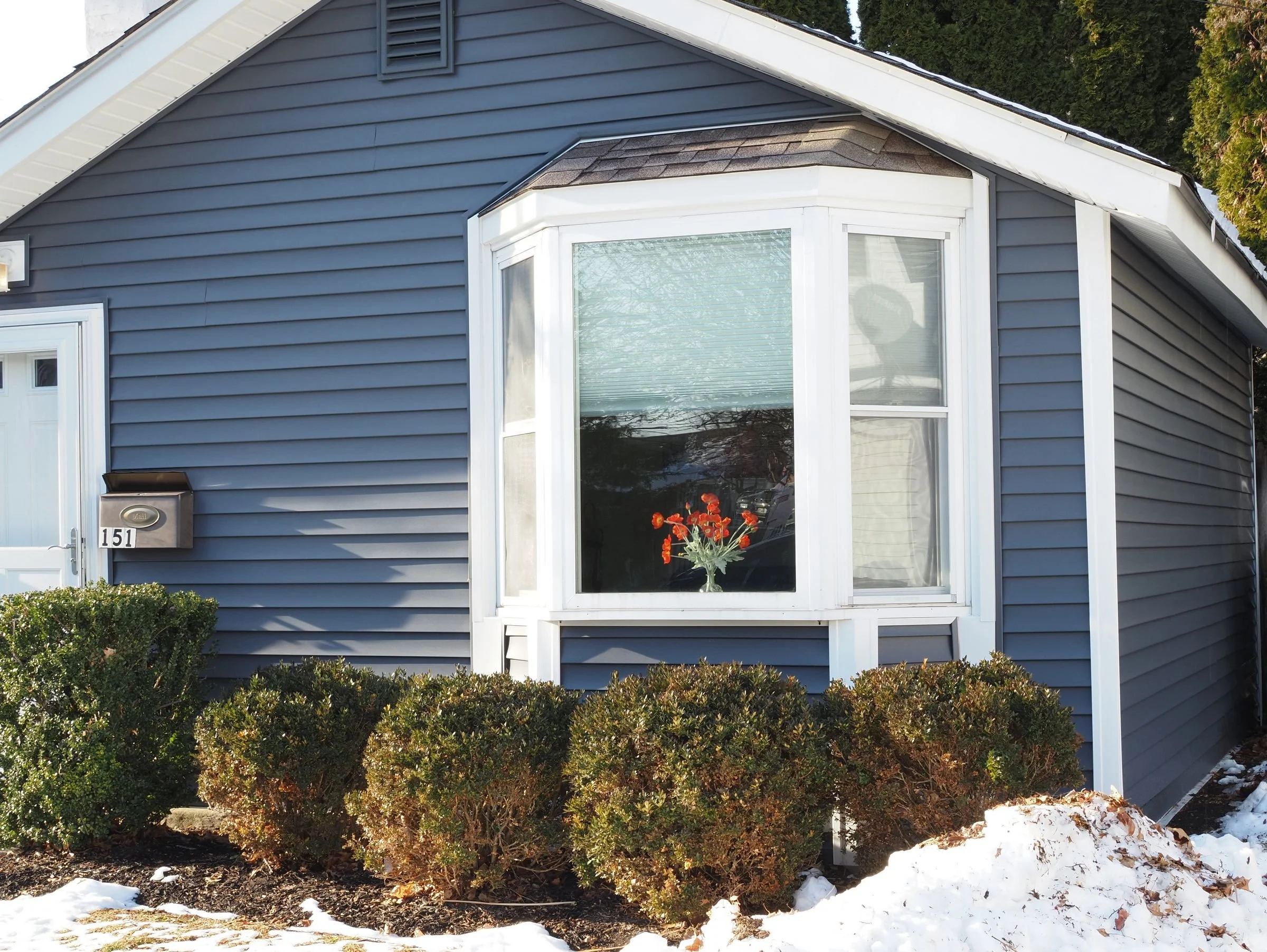
Vinyl siding behaves differently. It is not classified as a high fire risk material in normal use, and it is not going to spontaneously ignite under ordinary conditions. However, vinyl is a petroleum based plastic, and in direct flame contact, it will soften, melt, and can contribute fuel to a fire rather than resisting it the way fiber cement does. We have covered vinyl's heat sensitivity before in our comparison of vinyl and James Hardie siding in North Texas heat, and the same underlying vulnerability applies here, just with direct flame instead of reflected summer heat.
Engineered wood products like LP SmartSide fall somewhere in between. They are wood based, so they are combustible, but manufacturer treatments are designed to slow ignition and limit flame spread compared to untreated wood.
Why This Matters Beyond Wildfire Risk
DFW is not considered a high wildfire risk region the way parts of California or Colorado are, but exterior fire exposure is not limited to wildfire. Grill and fire pit accidents, electrical issues near the exterior wall, and even a neighboring structure fire are all realistic scenarios where your siding material's fire behavior matters. If you already keep a grill or fire pit in your yard, maintaining distance from your siding matters for more than just heat related warping, it is a genuine fire safety consideration too.
Practical Steps for Fire Prevention Month
Keep grills, fire pits, and other open flame sources several yards away from your home's exterior walls, especially if you have vinyl siding.
Clear dead leaves, pine straw, and other debris from gutters and from directly against your foundation and siding, dry debris against a combustible surface is a real risk multiplier.
If you are planning a siding replacement or addition, fire resistance is a reasonable factor to weigh alongside cost, durability, and appearance, particularly for areas near grills, fire pits, or detached structures.
Make sure exterior lighting and any electrical fixtures mounted to your siding are properly installed and in good condition, electrical issues at the exterior wall are a more common fire source than most homeowners expect.
Fire resistance is rarely the only reason to choose one siding material over another, but it is a legitimate factor worth knowing about, especially during the month the entire country is focused on fire safety. If you want to talk through how different materials compare for your specific home, our siding services page has more detail, or you can contact us directly for a free consultation.
Sources referenced in this post:
Internal Links Used in This Post:
Siding Showdown: Vinyl vs. James Hardie Fiber Cement in North Texas Heat (existing blog post)
Siding Services (service page)
Contact (contact page)