
Siding Maintenance Checklist for DFW Homeowners
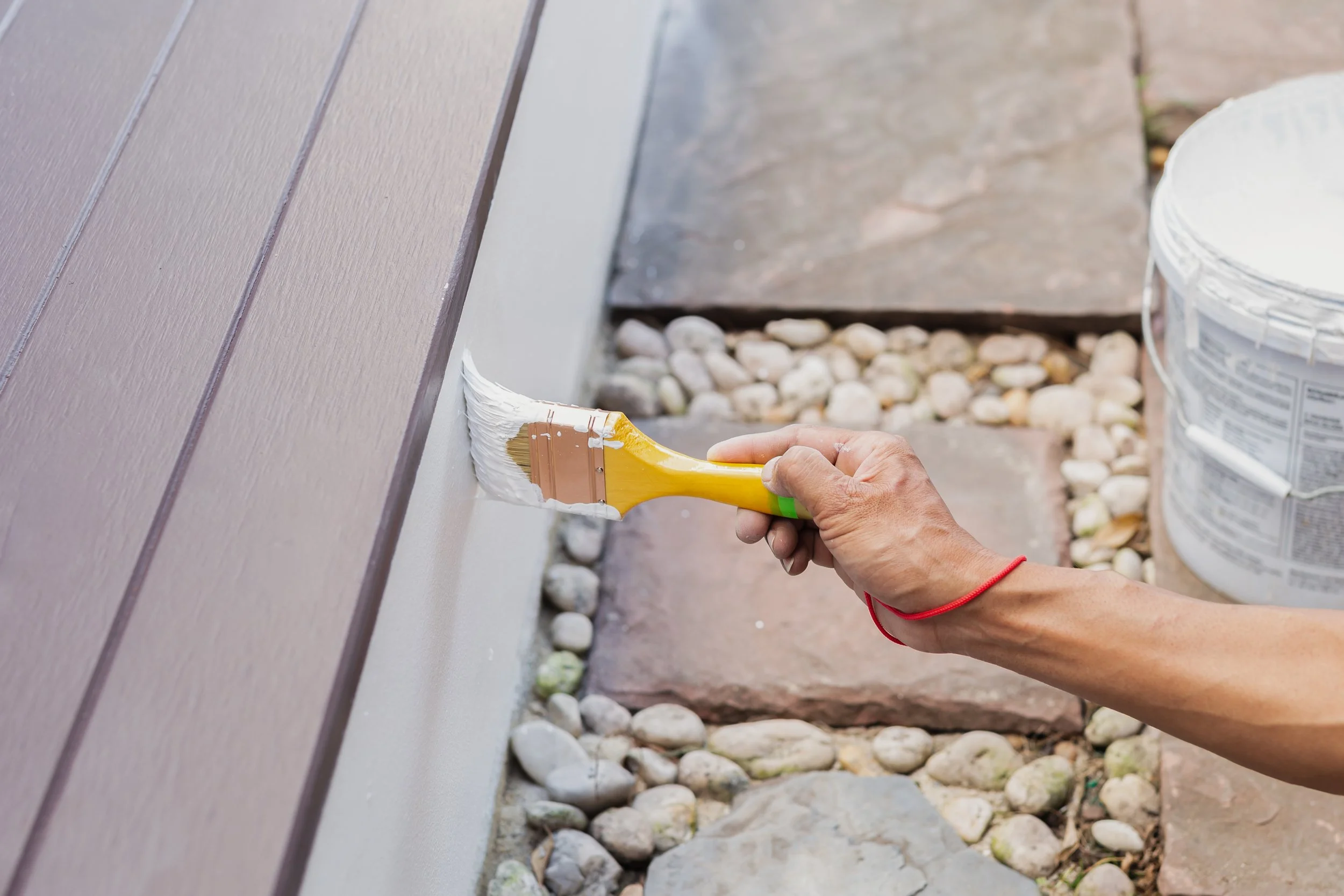
Siding is often described as low maintenance, and compared to something like painted wood, it genuinely is. Low maintenance does not mean no maintenance, though, and a little regular care goes a long way toward protecting your investment, especially in a climate like ours that cycles through intense heat, sudden storms, and everything in between. Here is a straightforward checklist for keeping your siding in good shape year round.
Clean It on a Regular Schedule
Most siding materials benefit from a wash every 6 to 12 months, and Home Depot's siding maintenance guidance recommends starting with a simple garden hose to remove loose dirt and debris before tackling any stubborn spots with a soft brush and mild detergent. For most routine cleaning, that is genuinely all it takes.
If you do use a pressure washer, keep the pressure under 1,500 psi and stay at least 6 feet back from the siding surface with a wide fan tip, getting too close or using too much pressure can force water behind panels or damage the surface itself, regardless of material.
Know What Damages Your Specific Material
Vinyl siding's biggest vulnerability is concentrated heat, not general sun exposure. Keep grills, fire pits, and other heat sources several yards away from vinyl siding to avoid warping, something we covered in more detail in our Siding Showdown comparison of vinyl and James Hardie. Fiber cement siding is far more heat resistant, but it does rely on its paint or factory finish for long term protection, so watch for fading, chipping, or peeling that signals it is time for touch up work.
Check Caulking Once a Year
Caulking around trim, windows, and corners naturally wears down over time, and small gaps are one of the most common things an inspector flags during a home sale. A yearly visual check, ideally before storm season peaks, and a small tube of exterior caulk for any gaps you find, is an easy way to stay ahead of moisture problems.
Keep Gutters Clear and Landscaping Trimmed
Clogged gutters can force water back toward your siding instead of away from your home, and overgrown shrubs or trees held too close to exterior walls trap moisture against the surface, which can lead to mildew or staining over time. Keeping a few feet of clearance between siding and landscaping makes a noticeable difference.
Do a Post Storm Walkaround
After any significant hail or wind event, take a few minutes to walk the exterior and look for dents, cracks, or displaced panels, even if nothing looks obviously wrong from the driveway. For a full breakdown of what storm damage actually looks like on siding, see our post on hail and storm damage on siding.
When Maintenance Is Not Enough
Regular care extends the life of your siding, but it will not fix underlying damage, aging material, or issues from a storm. If you are not sure whether what you are looking at is a simple cleaning job or something that needs a professional opinion, that is exactly the kind of question worth asking before it becomes a bigger problem.
Visit our siding services page to learn more about our repair and inspection services, or contact us to schedule a free inspection.
Sources referenced in this post:
Home Depot, How to Maintain Fiber Cement Siding
Internal Links Used in This Post:
Siding Showdown: Vinyl vs. James Hardie Fiber Cement in North Texas Heat