
Siding Showdown: Vinyl vs. James Hardie Fiber Cement in North Texas Heat
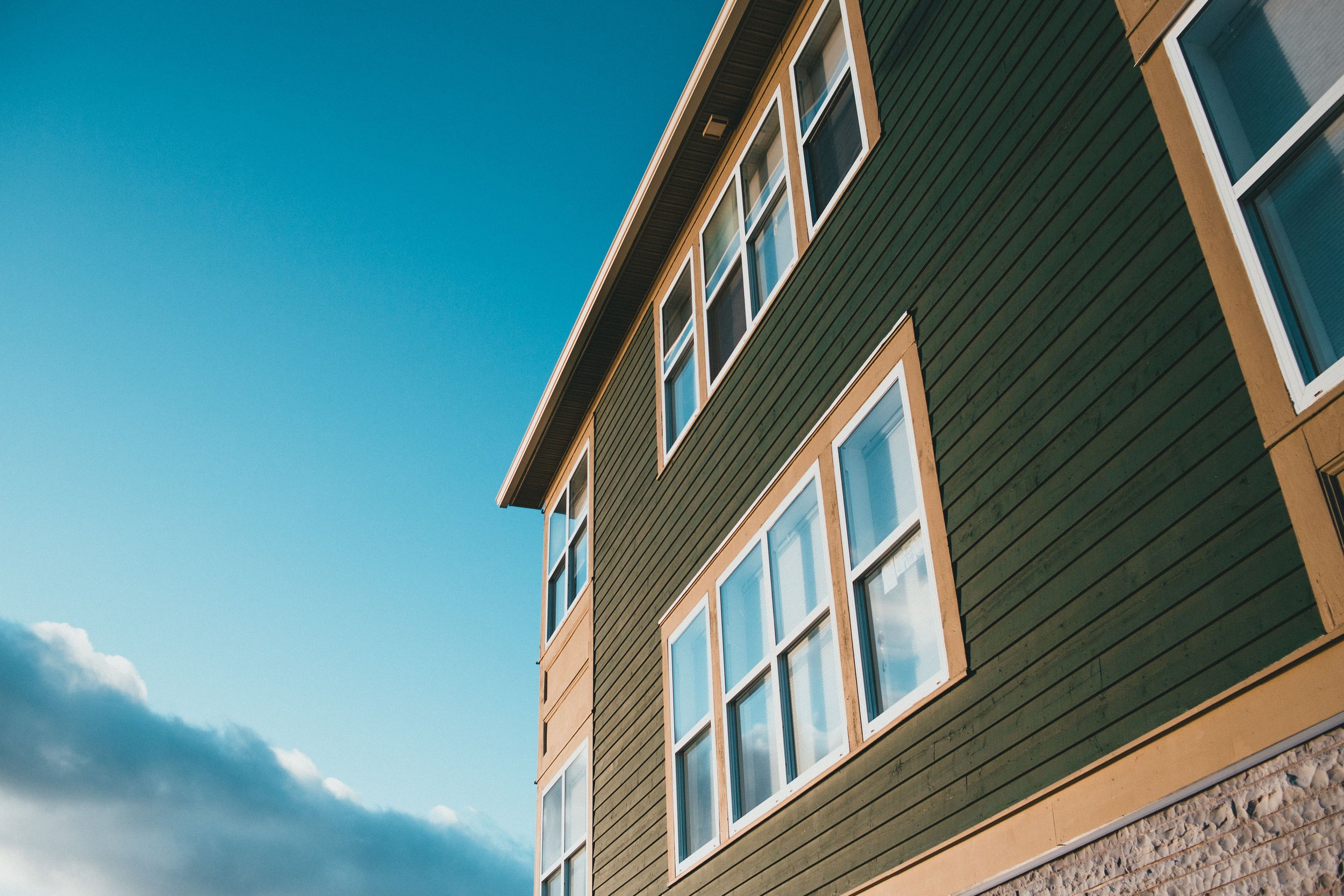
Choosing between vinyl and James Hardie fiber cement siding is one of the most common questions we hear from DFW homeowners, and for good reason. Both materials show up on plenty of homes across Fort Worth, Dallas, and the surrounding suburbs, and both have loyal fans. But North Texas puts siding through a specific kind of stress test: long stretches of triple digit heat, intense UV exposure, sudden hailstorms, and humidity swings all in the same year. The material that performs best in a mild climate is not always the one that performs best here.
This is the first post in our Siding Showdown series, where we put two materials head to head on the questions that actually matter for local homeowners. Today's matchup: vinyl versus James Hardie fiber cement, with a focus on how each one handles our summers.
How Each Material Handles Direct Heat and Sun
Vinyl siding is engineered to expand and contract with temperature changes, and the Vinyl Siding Institute's own installation guidelines are built around giving panels room to move so they do not buckle or warp as temperatures shift throughout the year. Under normal conditions, that design works well. The issue shows up with concentrated heat rather than ordinary sun exposure. Reflected sunlight off low-E windows, or radiant heat from a nearby grill or fire pit, can push the surface temperature of vinyl siding well past the point where it starts to soften, and the Vinyl Siding Institute's own installation manuals note that vinyl will soften or sag when exposed to significant heat sources. In a climate where DFW homes average around 20 days per summer at or above 100 degrees Fahrenheit, according to National Weather Service data for the Fort Worth/Dallas area, that kind of heat exposure is not a rare event, it is a normal part of the season.
James Hardie fiber cement is engineered differently. It is made from cement, sand, and cellulose fibers rather than plastic, so there is no melting point to worry about in the same way. James Hardie's HardieZone system is specifically engineered for regional climate conditions, and the company's HZ10 product line was designed with hot, humid climates in mind to resist cracking, splitting, and swelling through repeated hot seasons. For homeowners whose homes get significant afternoon sun on the west or south side, that climate specific engineering is a real practical difference, not just a marketing point.
Durability and Lifespan in DFW Weather
Heat is only part of the equation here. North Texas also brings hail, high wind, and humidity, sometimes all in the same storm system. Fiber cement has a strong reputation for standing up to wind driven debris and resisting the kind of impact damage that hail can cause, and James Hardie backs its siding products with a 30 year, non prorated limited warranty. Vinyl siding can also perform well in wind and hail when it is installed correctly, but it is more prone to cracking on impact in cold weather and to the heat related softening discussed above during summer.
Installation quality matters for both materials, but it matters more for vinyl. A properly installed vinyl panel is designed to move slightly with temperature changes, and the Vinyl Siding Institute notes that installation errors, like nailing panels too tightly, are one of the more common reasons vinyl siding fails early. This is one of the reasons working with an experienced local installer matters as much as the material choice itself.
Maintenance Over Time
Vinyl siding's biggest advantage is low maintenance. It never needs painting, and routine care is usually limited to an occasional wash to remove dirt and pollen. James Hardie siding with ColorPlus Technology also requires very little upkeep, and the factory applied finish comes with its own 15 year limited warranty covering peeling, cracking, and chipping. Where fiber cement asks a little more of homeowners is around caulking and touch up work at trim lines over time, though this is a smaller task than most people expect.
Cost Comparison
Vinyl is generally the lower upfront cost option of the two, which is a big part of why it remains so popular for budget conscious projects. James Hardie fiber cement typically costs more per square foot installed, but many homeowners find the difference worth it given the longer expected lifespan, the stronger warranty coverage, and the reduced risk of heat related damage in our specific climate. If you are weighing the numbers directly, our full cost breakdown for DFW siding projects has more detail on what drives pricing for both materials.
So Which One Wins?
Neither material is the wrong choice, but they win in different situations. Vinyl makes sense for homeowners prioritizing upfront cost who do not have major heat exposure concerns, like homes with mostly shaded exteriors or without large low-E windows facing the siding. James Hardie makes more sense for homes with significant sun exposure, homeowners planning to stay long term, or anyone who wants the strongest possible protection against North Texas heat and storms in one package.
If you are not sure which fits your home, that is exactly the kind of question our team is happy to walk through in person. We offer free inspections and straightforward answers, not a sales pitch, so you can make the choice that actually fits your house and your budget.
Curious how James Hardie performs on its own? Take a look at our deeper dive into James Hardie siding installation in DFW. Ready to talk through your options? Visit our siding services page or contact us to schedule a free inspection.
Sources referenced in this post:
Vinyl Siding Institute, vinylsiding.org
National Weather Service, Fort Worth/Dallas Forecast Office, 100 Degree Day Data
James Hardie, HardieZone System and Product FAQ/Warranties
Internal Links Used in This Post:
How Much Does House Siding Installation Cost in Dallas TX?
James Hardie Siding Installation in Dallas TX