
Does Your Siding Affect Your Cooling Bill? A DFW Homeowner's Guide
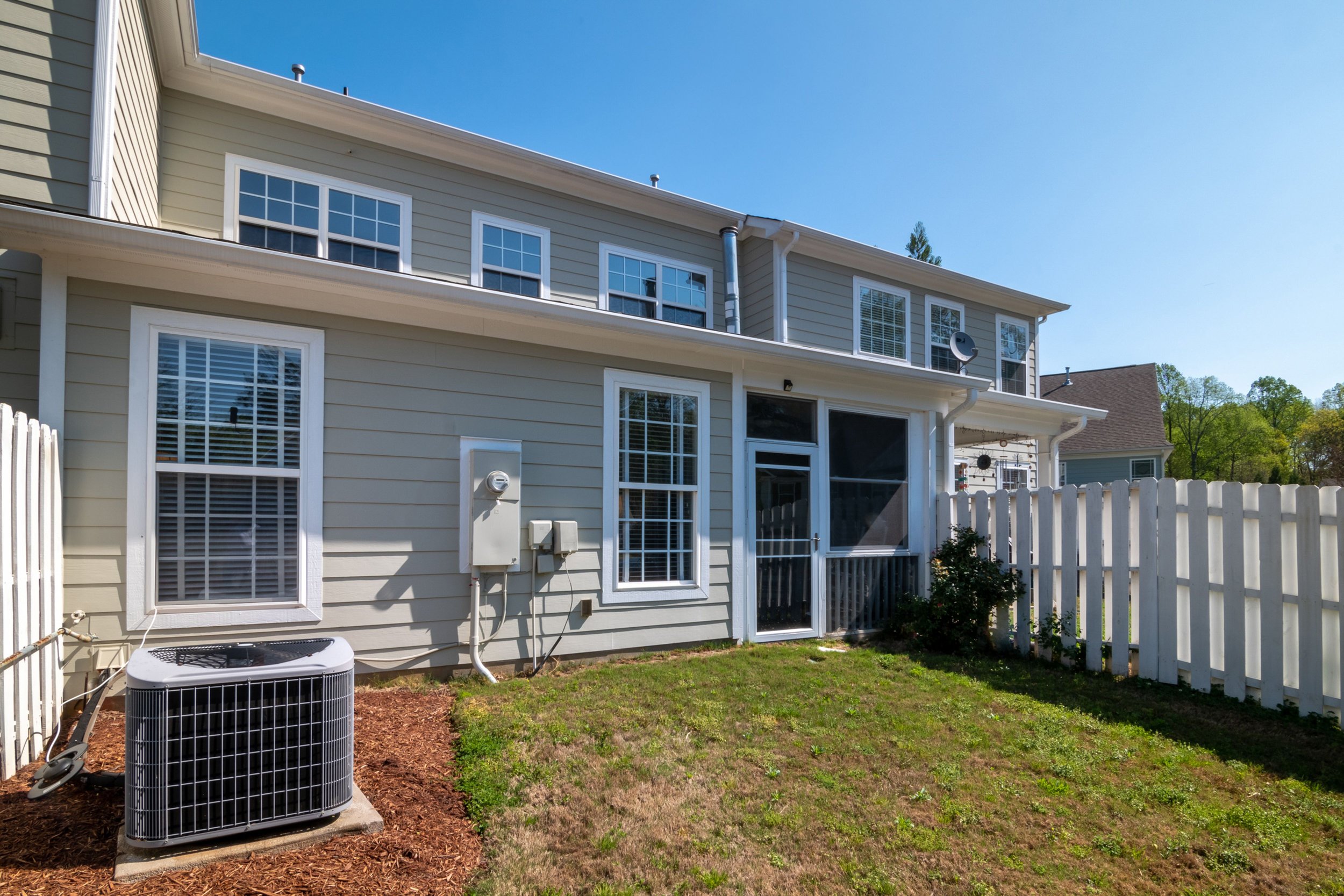
By August, most DFW homeowners have already had at least one uncomfortably high electric bill this summer. It is natural to look at the outside of your house and wonder if your siding is part of the problem. The honest answer is more nuanced than most marketing makes it sound, siding plays a real role in your home's comfort and cooling costs, but it is not the single biggest factor, and understanding which parts actually matter helps you spend your money in the right place.
Siding Material Alone Has Very Little Insulation Value
Here is something most homeowners do not realize: on its own, most siding material, whether vinyl, fiber cement, wood, or metal, has very little insulating value. According to ENERGY STAR, the real energy savings in a home come primarily from air sealing and adding insulation in attics, floors, and accessible spaces, with the U.S. Environmental Protection Agency estimating homeowners can save an average of 15 percent on heating and cooling costs by doing this work. Siding itself is a weather barrier and a finish layer, not a meaningful insulator by itself.
What does move the needle is what goes on underneath the siding during installation. Adding a continuous layer of insulation or house wrap behind new siding, something the U.S. Department of Energy recommends as part of a re-siding project, closes gaps in your wall's thermal performance that siding material alone cannot fix. If you are already planning a siding replacement, that is the moment to ask your contractor about adding insulation, since the labor cost of opening up the wall is already part of the project.
Where Color Actually Matters
Siding color is where DFW's brutal summer sun does make a real difference, especially on west and south facing walls that take the brunt of afternoon sun for hours at a time. Lighter siding colors reflect more solar energy than dark colors, which means less heat gets absorbed into the wall and, ultimately, less heat load your air conditioner has to work against. According to the Cool Roof Rating Council, which studies solar reflective building materials, homes with higher reflectance exteriors generally stay cooler on the surface, reducing the amount of heat that moves indoors through the walls.
This does not mean every home in DFW needs to be painted white. Many manufacturers now offer infrared reflective pigments in darker colors that perform better than traditional dark paint, so if you love a deep color but worry about heat, ask your contractor whether a reflective or "cool" version of that color is available.
Where Homeowners Get This Wrong
The most common mistake is assuming that swapping siding material alone, say going from vinyl to fiber cement, will meaningfully lower a cooling bill. Material choice affects durability, maintenance, and how the siding holds up to Texas heat and storms, all real reasons to choose one material over another, but the direct energy impact of the material itself is small compared to insulation, air sealing, window efficiency, and attic ventilation. If lowering your cooling bill is the primary goal, a home energy audit that looks at the whole house, not just the exterior, will point you toward the improvements with the biggest return.
That said, if you are already planning a siding project for other reasons, whether it is storm damage, age, or simply wanting a different look, it is worth doing the additional insulation work at the same time and choosing a color that works with your home's sun exposure rather than against it.
Bringing It Together for Your Home
If you are trying to figure out which siding material fits your home, our guide on what type of siding is best for Fort Worth homes walks through how different materials hold up to North Texas heat and weather, which is a good starting point before deciding on color and insulation upgrades.
Our team can walk you through insulation options during a siding project and help you think through color choices that balance style with heat performance for your home's specific sun exposure. Visit our siding services page to learn more, or contact us for a free inspection and consultation.
Sources referenced in this post:
ENERGY STAR / U.S. EPA, Methodology for Estimated Energy Savings
U.S. Department of Energy, Energy-Efficient Home Improvement Credit